
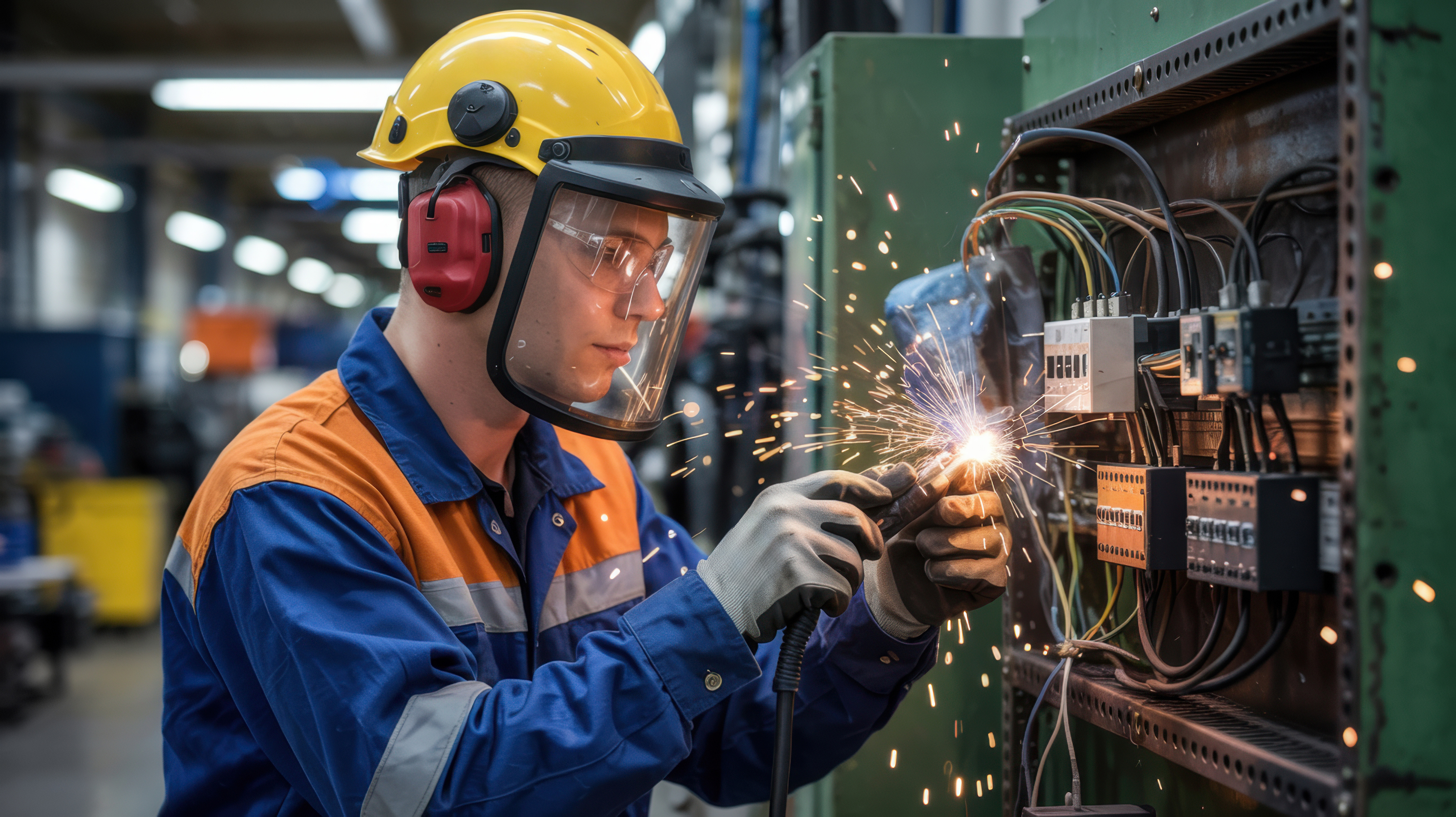
Why Electrical Hazards Demand More Than “Low Voltage” Thinking
Arc flash remains one of the most misunderstood and underestimated hazards in high risk work environments. Despite advances in electrical safety standards, serious injuries continue to occur during routine tasks, often in systems assumed to be low risk.
For organizations operating in high hazard industries, understanding arc flash is not optional. The consequences are immediate, severe, and often life altering. Awareness, planning, and disciplined controls make the difference between a close call and a catastrophic event.
What Is Arc Flash and Why It Is So Dangerous
An arc flash is a violent electrical explosion caused by an unintended arc through air. When electrical energy is suddenly released, it produces extreme heat, intense light, sound pressure, and molten metal in milliseconds.
Arc flash temperatures can exceed 35,000°F, nearly four times hotter than the surface of the sun. That heat alone can ignite clothing instantly. The accompanying blast wave can throw workers backward, damage hearing, and send shrapnel across a room.
These events do not require high voltage systems. Arc flash incidents have occurred at 120 and 208 volts, catching experienced workers off guard during familiar tasks.
The Hidden Risk of “Routine” Electrical Work
One of the most dangerous assumptions in electrical work is that routine equals safe.
Many arc flash incidents happen during;
- Removing equipment covers
- Testing or troubleshooting
- Racking breakers
- Operating motor control centers
A dropped tool, slipped probe, or momentary contact between phases can instantly create an arc. The severity of the event depends on fault current, clearing time, and distance from the source, not just voltage.
This is why experienced workers are often the ones injured. Familiarity can reduce perceived risk while exposure remains the same.
Why De Energizing Is the Most Effective Control
The most reliable way to prevent arc flash injury is to eliminate exposure.
Working de energized removes the hazard entirely. When systems are properly locked out, tagged, and verified for absence of voltage, the conditions required for an arc flash no longer exist.
When energized work is unavoidable due to infeasibility or greater hazard, the risk must be treated as intentional and controlled through formal processes, planning, and protective measures. Shortcuts during energized tasks are where severe injuries most often occur.
Equipment Condition and Maintenance Matter More Than Most Realize
Arc flash severity is not only about the task. It is also about the condition of the electrical system.
Loose connections, damaged insulation, contamination, and deferred maintenance all increase the likelihood and intensity of an arc flash. Protective devices that are poorly maintained or improperly coordinated take longer to clear faults, allowing more energy to be released.
In high hazard operations, electrical maintenance is a safety control, not a housekeeping issue. Fast clearing protective systems save lives.
The Role of Boundaries and Protective Equipment
Arc flash boundaries exist for a reason. They define the distance at which a person could sustain a second degree burn if an arc occurs.
Posting and enforcing boundaries protects not only the worker performing the task, but also anyone nearby who may not realize work is being done on energized equipment.
Arc rated personal protective equipment is a last line of defense, not a substitute for planning or de energizing. When PPE is required, it must be selected correctly, worn properly, and matched to the hazard. Incorrect assumptions or mixed methods in PPE selection undermine its effectiveness.
High Risk Tasks That Deserve Extra Controls
Certain tasks consistently appear in arc flash incident investigations.
These include:
- Opening covers on energized equipment
- Testing or troubleshooting inside panels
- Racking breakers or operating MCC buckets
Remote racking and remote switching technologies significantly reduce exposure during these activities. Where available, they change the risk profile of the task by removing workers from the arc path.
Treating these activities as high hazard work, rather than routine operations, is a key shift that prevents serious injuries.
Arc Flash Awareness Is a Leadership Responsibility
Arc flash safety is not just about compliance with standards. It is about decisions made long before a worker opens a panel.
Leadership plays a direct role by:
- Supporting de energized work as the default
- Prioritizing maintenance and system condition
- Reinforcing the use of boundaries and controls
- Encouraging workers to stop work when conditions are unsafe
When workers feel pressure to rush, improvise, or work around safeguards, the risk of catastrophic injury rises sharply.
A Simple Reminder With Life Altering Impact
Before powering up or opening equipment, pause.
- If the task can be de energized, lock it out and verify.
- Apply disciplined controls, maintain distance, and use the safest available methods.
- If something looks wrong, stop and speak up.
Arc flash incidents happen fast. Prevention starts earlier, with planning, awareness, and respect for the hazard.
Everyone deserves to go home with the same quality of life they arrived with.
Berkley Industrial Comp is providing this material for informational purposes only; it does not constitute legal advice or professional consulting services. Berkley Industrial Comp makes no representations or warranty regarding the accuracy or completeness of this material and expressly disclaims any liability for errors, omissions, or inaccuracies. Employers and other recipients should seek independent legal advice before making decisions based on this material.